
Mushroom supplement labels have become more sophisticated. You may now see terms like fruiting body, mycelium, mycelial biomass, myceliated grain, or mycelium grown on brown rice.
Those terms do not necessarily describe the same ingredient. Understanding the difference can tell you much more about what is actually inside the capsule.

Start with the basic distinction
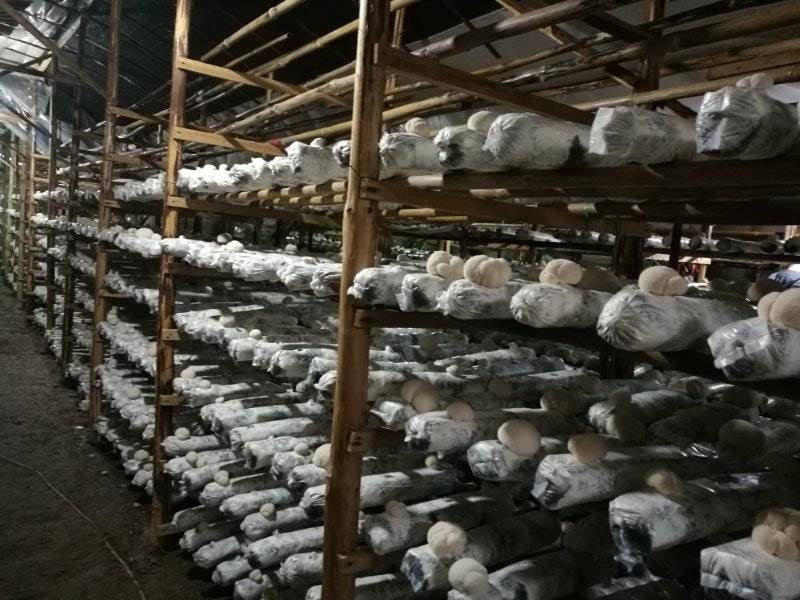
The fruiting body is the mushroom itself - the recognizable structure produced by the fungus.
Mycelium is the network of microscopic fungal threads that grows through a food source or other medium. Both are genuine parts of a fungus.
The useful supplement question is not whether mycelium exists or has biological activity. It does. The question is what the mycelium was grown on and what ended up in the finished ingredient.
What is mycelium on grain?
One common production method grows mushroom mycelium on sterilized grain such as rice, oats, or sorghum. The mycelium colonizes the grain as it grows.
The practical issue comes at harvest. When the fungal mycelium is intertwined with the substrate and the two are processed together, the resulting material can contain both fungal mycelium and residual grain.
A 2026 analytical review in the Journal of AOAC International notes that many commercial fungal products use mycelium fermented on grains such as rice, oats, or sorghum, creating a starch-rich matrix that can complicate glucan analysis.

What does “mycelial biomass” mean?
Mycelial biomass does not automatically mean mycelium on grain.
Mycelium can also be produced using submerged or liquid fermentation, where fungal cells grow in a liquid nutrient medium rather than through a solid grain substrate. FDA has long recognized mycelium produced through submerged culture as a distinct fungal ingredient suitable for food when grown in acceptable media.
The term mycelial biomass by itself therefore does not answer the question. You still need to know what medium was used and whether that medium remains part of the harvested material.
Why does residual grain matter?
Grain is primarily a source of starch. Starch is an alpha-glucan, which is chemically different from the fungal beta-glucans commonly used as a quality marker for mushroom extracts.
If significant grain remains in a mushroom ingredient, part of the powder may be residual cultivation substrate rather than fungal material.
That does not make the grain inherently harmful. It simply means you should know that it is there, and it should not be confused with the mushroom compounds you thought you were buying.
This is also why an impressive total-polysaccharide number does not necessarily tell the whole story. A beta-glucan measurement that properly distinguishes beta-glucans from alpha-glucans and starch is more informative.
What does FDA say about mycelium?
FDA's longstanding food guidance distinguishes mushroom mycelium from mushrooms and says foods containing mycelium should be labeled to indicate that they contain mycelium rather than imply they contain mushrooms.
That guidance was written for food labeling, not as a modern dietary-supplement labeling rule. But the underlying consumer principle is still useful: ingredient identity should be clear.
What should you look for on the label?
Do not rely on shortcuts such as powder color, taste, country of manufacture, or an organic seal to tell you which fungal material is present. Instead, read the actual ingredient language and specifications.
- Fruiting body
- Mushroom extract
- Mycelium
- Mycelial biomass
- Myceliated grain
- Mycelium on brown rice, oats, or sorghum
If the product uses mycelium or mycelial biomass, useful follow-up questions are: what medium was it grown on, does that substrate remain in the ingredient, does the manufacturer disclose beta-glucan content, and does the testing distinguish beta-glucans from alpha-glucans or starch?
Organic certification and fungal-part identity are separate questions. A product can meet organic-production requirements while still using a mycelium-based ingredient. The label and ingredient specifications should tell you which material you are actually buying.
How Noomadic approaches it
Noomadic uses fruiting-body mushroom extracts only. Our mushroom ingredients are hot-water extracted, and all mushroom extracts used in our mushroom supplements are standardized to 30% Beta-D-Glucans.
Our goal is straightforward: tell you which part of the mushroom we use, how it is extracted, and what the individual extract is standardized to contain.
The bottom line
Mycelium itself is not the problem. The issue is transparency.
If mycelium is grown on grain and the grain remains in the finished material, consumers should be able to understand that. If a company uses mycelial biomass produced by another method, that should be clear too. And if a product uses fruiting-body mushroom extracts, that should be clear as well.
Know what was grown. Know what was harvested. Know what is actually in the capsule.
Sources
Selected references supporting this article: